Wind turbines are built to run for many years in demanding environments. They are exposed to strong winds, changing temperatures, and constant mechanical stress. Even though they are designed for durability, wear and tear over time is unavoidable. This is why major component replacement in wind turbines becomes an essential part of maintaining performance and safety.In this article, we take a closer look at what major component replacement means, when it is needed, and why it plays such an important role in keeping wind farms operational.
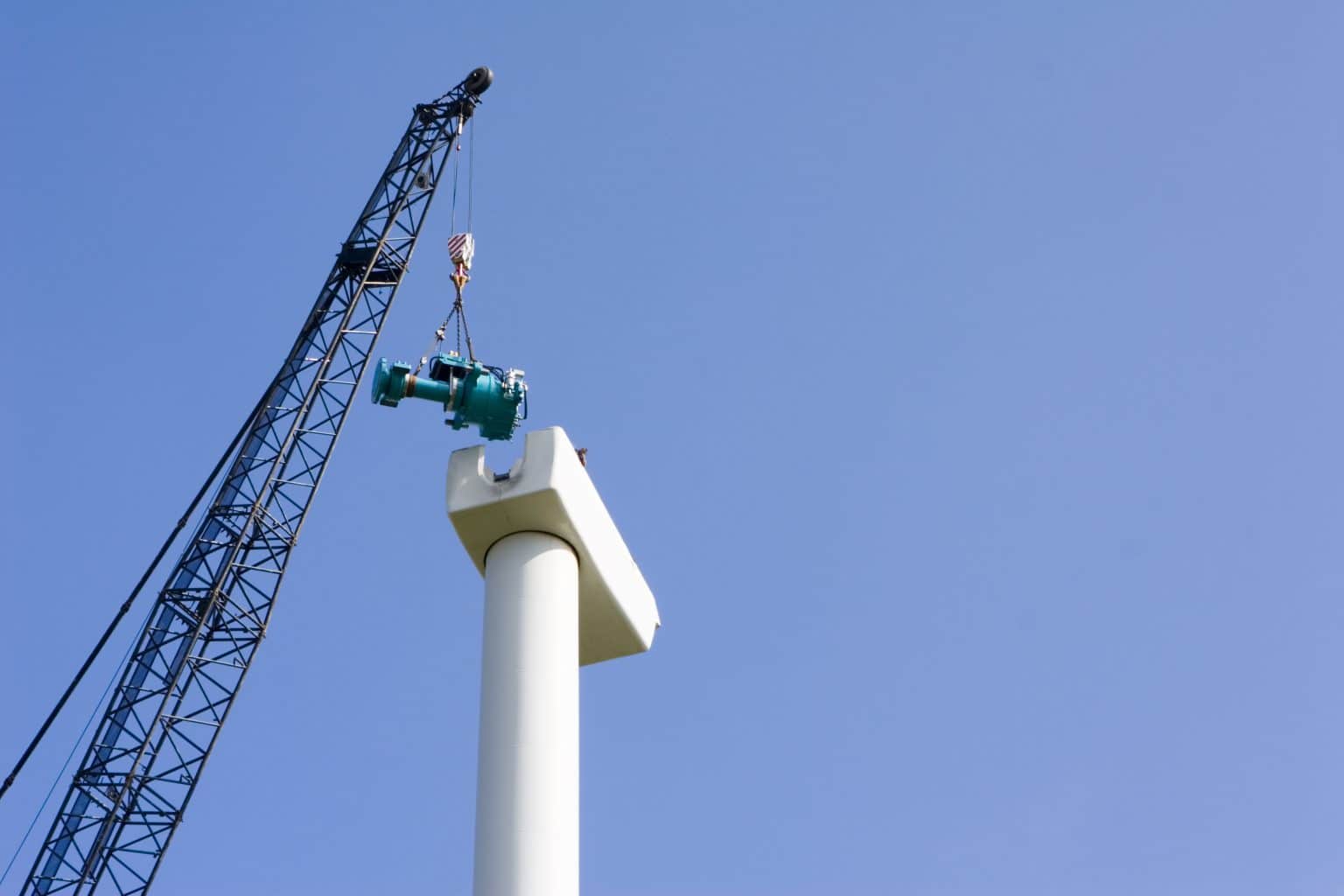
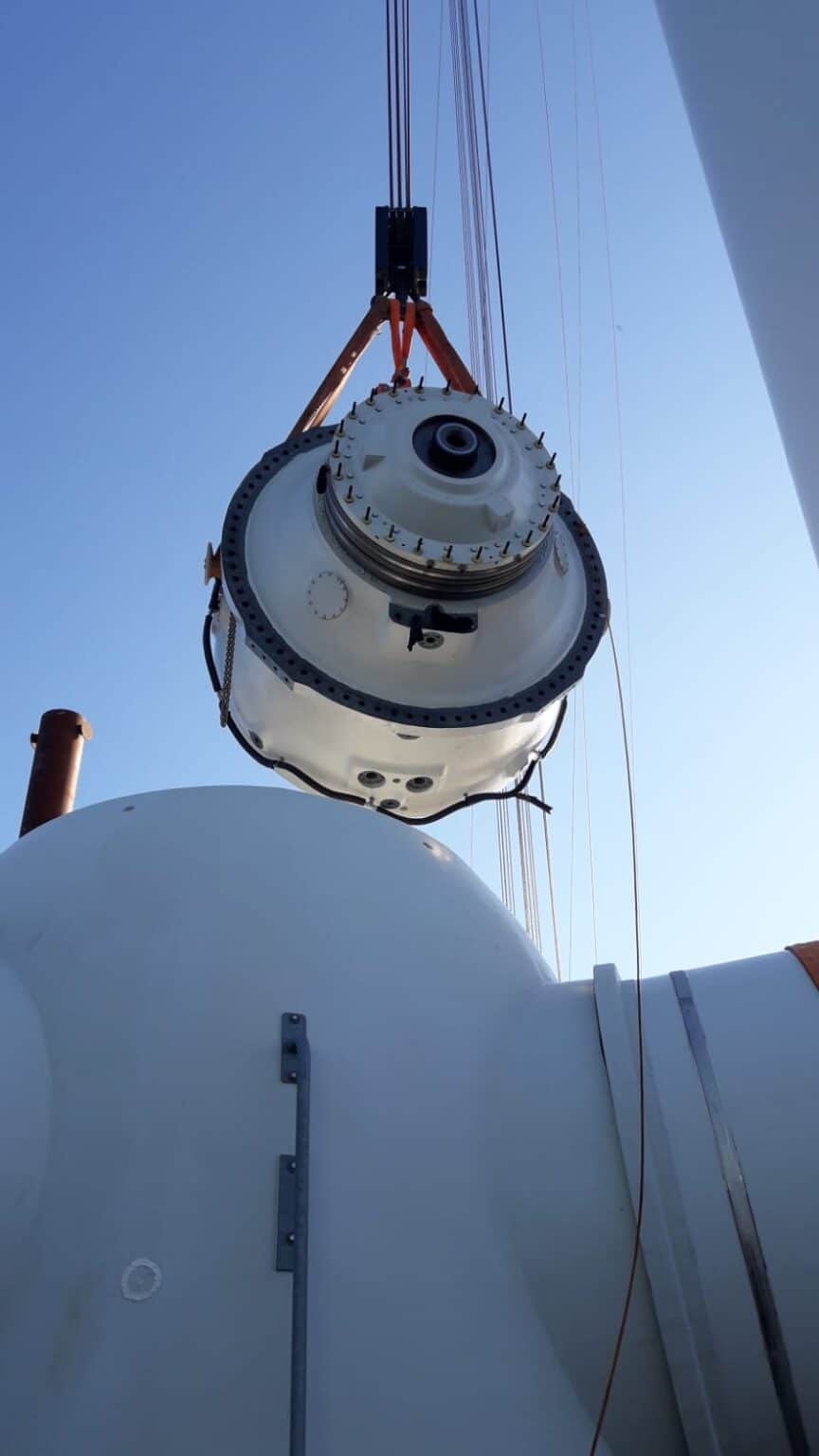
A major component replacement wind turbineproject involves removing and replacing key parts that are critical for the turbine’s operation. These components are large, complex, and often very heavy. The most common parts replaced include:
Replacing these components is not comparable to routine maintenance. It requires specialized knowledge, proper planning, and heavy lifting equipment. In most cases, cranes are needed, and each step must be carefully coordinated to ensure safety and efficiency.
There is usually no single event that leads to a major component replacement. Instead, several factors can indicate that it is time to act.
Each major component has an estimated lifespan. Gearboxes and generators, for example, are often designed to last between 10 and 20 years, depending on usage and site conditions. Once they approach this limit, the risk of failure increases.
Despite proper maintenance, unexpected failures can occur. These may be caused by extreme weather, manufacturing defects, or high loads. In these situations, a major component replacement is required to bring the turbine back into operation quickly.
Signs such as lower energy output, unusual vibrations, or frequent alarms can indicate that a component is no longer functioning properly. Acting early can prevent more severe damage and longer downtime.
Some operators choose a proactive approach by replacing components before they fail. This allows better planning and reduces the risk of sudden and costly outages.
A major component replacement wind turbine intervention may seem costly at first, but it offers several important advantages for long-term operation.
New or refurbished components significantly reduce the risk of unexpected failures. This ensures a more stable and predictable energy production.
Instead of replacing an entire turbine, upgrading key components allows operators to extend the life of existing assets.
While the initial investment can be high, avoiding repeated breakdowns and long downtime often leads to overall savings.
Damaged or worn components can pose serious safety risks. Timely replacement helps protect technicians and prevent further damage to the turbine.
Preparation is one of the most important factors for a successful intervention. Operators should focus on:
Regular inspections and monitoring systems help identify issues before they become critical.
Scheduling replacements during periods of lower wind can reduce production losses.
Ensuring that components are available in advance avoids long delays.
Experienced service providers help guarantee that the work is carried out correctly and safely.
As the wind industry continues to grow, the demand for major component replacement in wind turbines will also increase. Many turbines installed in the early 2000s are now reaching the stage where key components need attention. At the same time, new technologies are improving how these replacements are managed:
These developments help reduce costs, minimize downtime, and improve overall performance.
A major component replacement wind turbine intervention is a natural and necessary part of a turbine’s lifecycle. Whether driven by wear, unexpected failure, or preventive planning, replacing key components ensures continued performance and safety. With proper preparation and the support of experienced partners like MDWind, these complex operations can be handled efficiently. In the long run, major component replacement helps maximize the value of wind assets and supports reliable, sustainable energy production.
From common to complex situations, MDWind is your strategic partner on the lifespan of your turbines, by delivering sustainable, efficient and long-term solutions.