
Across Scandinavia, MDWind teams are currently carrying out wind turbine preventive maintenance campaigns on wind turbines operating in some of Europe’s most demanding environments. From coastal regions exposed to strong winds to remote sites facing harsh winter conditions, these projects provide valuable insight into the challenges wind turbine operators encounter every day.
While every wind farm is different, one lesson remains consistent: turbines that receive regular preventive maintenance are more likely to operate efficiently, achieve higher availability, and deliver long-term value for their owners.
For wind turbine operators, maintenance is no longer simply about fixing problems when they occur. It is about protecting assets, maximizing energy production, and ensuring that turbines continue to perform throughout their entire lifecycle. As fleets age and performance expectations increase, preventive maintenance has become one of the most effective tools available to reduce risk and improve profitability.
Every wind turbine consists of thousands of components working together under continuous mechanical and environmental stress. Main bearings, gearboxes, generators, hydraulic systems, electrical cabinets, sensors, yaw systems, and blade components are all exposed to wear throughout their operational life.
Even a small defect can quickly develop into a major issue if it remains undetected.
When a component fails unexpectedly, operators often face lost energy production, emergency repair costs, unplanned mobilizations, additional component damage, and extended turbine downtime. These situations not only increase costs but can also affect the long-term performance of the asset.
Preventive maintenance focuses on identifying and addressing potential problems before they become failures. Instead of reacting to breakdowns, operators can plan interventions during scheduled maintenance windows and maintain greater control over costs, resources, and turbine availability.
Historically, many operators relied heavily on corrective maintenance. Components were repaired or replaced only after a failure occurred.
While this approach may seem cost-effective in the short term, it often results in significantly higher lifecycle costs. An unexpected bearing failure, a damaged gearbox, or an electrical issue can quickly lead to production losses and expensive repairs.
A proactive maintenance strategy combines several activities:
Together, these activities provide a clearer picture of turbine health and allow operators to identify developing issues at an early stage.
During MDWind’s maintenance campaigns in Scandinavia, this approach proves its value time and time again. Technicians regularly identify minor issues that can be addressed during planned maintenance activities. Left unresolved, these same findings could eventually develop into larger failures requiring more extensive repairs and longer outages.
The goal is not to replace components unnecessarily but to intervene at the right moment and keep maintenance activities predictable and cost-effective.
Operating wind turbines in Scandinavia presents unique challenges.
Strong winds, low temperatures, snow, humidity, and rapidly changing weather conditions place additional demands on turbine components throughout the year. Equipment is exposed to repeated thermal cycles and environmental influences that can accelerate wear and increase maintenance requirements.
These conditions make preventive maintenance particularly important.
The ongoing maintenance campaigns across Sweden and Norway provide a good example of how proactive servicing helps operators protect their assets. Even when turbines appear to be performing normally, inspections frequently reveal early signs of wear or degradation that would not necessarily be visible through operational data alone.
Addressing these issues early allows operators to maintain performance while avoiding more significant repairs later.
Regular inspections remain one of the most effective preventive maintenance tools available to operators. They provide a clear picture of a turbine’s overall condition and help identify developing issues long before they impact production.
Experienced technicians can often detect early signs of wear that are not yet visible in operational data. Small irregularities, if addressed quickly, can usually be resolved through planned maintenance. Left unattended, however, they may develop into larger and significantly more expensive repairs.
This is particularly relevant in Scandinavia, where changing weather conditions place additional demands on turbine components throughout the year. During maintenance campaigns, inspections frequently reveal opportunities for operators to address minor issues before they affect reliability or availability.
The ability to identify and correct these issues early remains one of the greatest advantages of a preventive maintenance strategy.

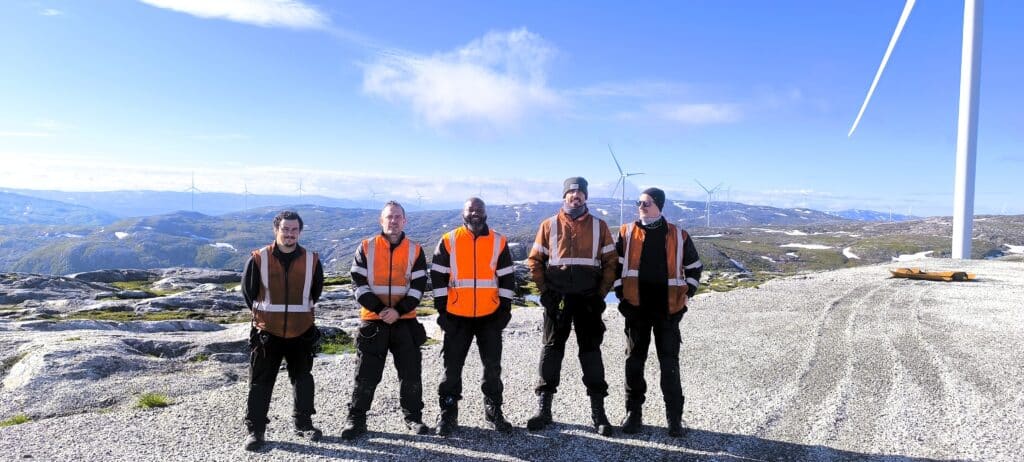
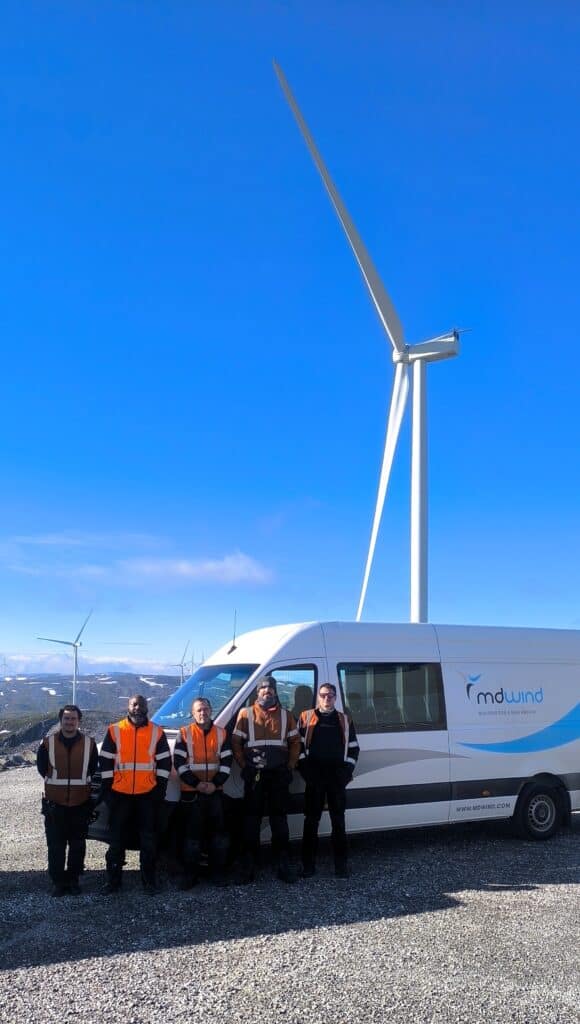
Modern wind farms generate a vast amount of operational data. Monitoring systems help operators understand how turbines are performing and can provide early warning signs when conditions begin to change.
However, data is only one part of the equation.
The most successful maintenance strategies combine digital monitoring with practical field experience. Experienced technicians can validate findings, identify issues that may not yet be visible in system data, and provide valuable recommendations based on direct observations.
Many potential problems are first detected through changes in performance data, but understanding the root cause often requires an inspection in the field. By combining technology with hands-on expertise, operators gain a more complete understanding of turbine condition and can make better-informed maintenance decisions.
One of the greatest benefits of preventive maintenance is its ability to extend the life of major components.
Replacing a gearbox, generator, or main bearing represents a significant investment. In many cases, proper maintenance can delay these replacements for years. Activities such as lubrication management, alignment checks, monitoring wear patterns, and addressing minor defects before they escalate all contribute to longer component life.
Small interventions performed at the right time can have a significant impact on the longevity of a turbine.
For operators, this means reduced capital expenditure, lower repair costs, and improved return on investment throughout the turbine’s lifecycle.
Every hour a turbine remains offline represents lost energy production.
Unexpected failures often create additional challenges because parts, technicians, and specialized equipment may need to be mobilized at short notice. In remote areas, these delays can become even more significant.
Preventive maintenance helps reduce this risk by allowing operators to plan interventions in advance. Required resources can be scheduled ahead of time, maintenance activities can be grouped efficiently, and turbine downtime can be minimized.
For larger fleets, even small improvements in availability can translate into substantial gains in annual energy production and overall project performance.
Preventive maintenance is not only about maximizing production and reducing costs. It also plays an important role in maintaining a safe working environment.
Regular servicing helps ensure that turbines remain in good operational condition and that potential risks are identified before they become safety concerns. By addressing issues early, operators can support safer interventions, reduce unexpected failures, and maintain compliance with industry requirements.
A well-maintained turbine is typically not only more reliable, but also safer for everyone working on site.
This focus on safety is a key element of every maintenance campaign and remains just as important as performance and reliability.
Wind turbines are designed for decades of operation, but achieving their intended service life requires continuous care and attention.
Preventive maintenance supports every stage of the asset lifecycle, from the early operational years through long-term operation and life-extension projects. Decisions made today can have a direct impact on turbine performance years down the line.
This is one of the reasons why operators increasingly view maintenance as a long-term investment rather than a short-term cost. Protecting turbine health today helps safeguard energy production, reliability, and asset value in the future.
The maintenance campaigns currently being carried out across Scandinavia demonstrate this philosophy in practice. Rather than waiting for failures to occur, operators are investing in proactive maintenance strategies that help ensure turbines continue performing efficiently throughout their lifecycle.
For operators, wind turbine preventive maintenance has become one of the most effective ways to maximize performance, reduce risk, and protect long-term asset value.
As demonstrated through ongoing maintenance projects across Scandinavia, a proactive approach helps identify potential issues early, minimize downtime, improve safety, and extend component life. By combining regular inspections, condition monitoring, and experienced field expertise, operators can keep turbines operating efficiently and reliably for years to come.
In an industry where availability, reliability, and profitability are closely connected, preventive maintenance is no longer simply a maintenance activity. It is a strategic approach to protecting the long-term performance of every wind turbine asset.
From common to complex situations, MDWind is your strategic partner on the lifespan of your turbines, by delivering sustainable, efficient and long-term solutions.